
how much does a rotary dryer cost
The Best Choices for Your Project
We provide Dryer equipment for you
- Customization Service: Dryer for you
- Solution:Provide solutions for your problems
- Dryer length: 8 meters to 36 meters.

Table of Contents
how much does a rotary dryer cost
How Much Does a Rotary Dryer Cost? The Answer is Complicated.
The question “How much does a rotary dryer cost?” is similar to asking “How much does a car cost?” The price can range dramatically, from $20,000 to over $500,000 USD or more, depending on a wide array of specifications and customizations. There is no one-size-fits-all price tag. Instead, the final cost is determined by your specific production requirements, material characteristics, and desired features. This guide will break down the primary cost factors and help you navigate the selection process to find the best dryer for your investment.
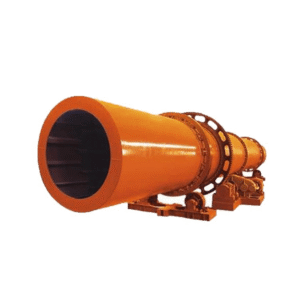
Primary Cost Factor #1: Material Characteristics and Drying Goals
This is the most fundamental driver of cost. Suppliers need the following details to provide an accurate quote:
Material to be Dried: What are you drying? (e.g., sand, sawdust, mineral ore, sludge, food waste).
Initial and Final Moisture Content: What is the wetness of the material entering the dryer, and what is your target dryness? A reduction from 50% to 10% moisture requires vastly more energy and larger equipment than from 20% to 5%.
Hourly Production Capacity (Throughput): How many tons or cubic meters do you need to process per hour? Higher capacity means a larger, more powerful dryer with a higher price.
A small, standard dryer for non-specialty materials at low capacity will be at the lower end of the price spectrum. Large-scale drying with significant moisture removal commands a premium.
Primary Cost Factor #2: Material Specialties and Dryer Customization
If your material has unique properties, standard designs may not suffice, leading to custom engineering and higher costs.
Corrosiveness/Acidity: Materials like certain chemicals or food acids require the drum and internals to be made from stainless steel (e.g., SS304, SS316L) or other anti-corrosion alloys, significantly increasing material costs.
High Viscosity or Adhesiveness: Materials like sludge or sticky clay may require specialized internal lifting flights (flights设计) and possibly a “hammer knocker” system to prevent material buildup.
Heat Sensitivity: For products like certain foods or pharmaceuticals, lower temperature or indirect heating designs are needed to prevent degradation.
Explosiveness/Dust Risk: Materials that generate combustible dust require explosion-proof designs, safety valves, and inert gas systems.
Primary Cost Factor #3: Automation and Control Systems
The level of automation greatly affects the price.
Basic Control: A simple start/stop panel with manual temperature controls is the most economical.
Intermediate PLC Control: A Programmable Logic Controller (PLC) with a touchscreen HMI allows for automated sequences, temperature profiling, and basic data monitoring. This is common in mid-range setups.
Advanced Fully Automated Systems: These integrate the dryer with feeders, burners, dust collectors, and moisture sensors. They use PID control and SCADA systems for real-time optimization, remote monitoring, data logging, and automatic adjustments to maintain perfect drying conditions with minimal operator input. This represents the highest level of investment.
How to Choose the Right Rotary Dryer for Your Needs: A Buyer's Checklist
Selecting the correct dryer is crucial for efficiency and ROI. Follow these steps:
Conduct Thorough Material Testing: Provide a sample to a reputable manufacturer for lab-scale drying tests. This determines the optimal temperature, residence time, and airflow.
Define Your Precise Specifications: Clearly document your required capacity (吨/小时), moisture reduction, available footprint, and fuel type (natural gas, diesel, steam, biomass).
Prioritize Reliability Over Lowest Price: Choose a manufacturer with a strong reputation, proven references in your industry, and robust after-sales support. Cheap, under-engineered dryers lead to high downtime and maintenance costs.
Consider Total Cost of Ownership (TCO): Factor in energy efficiency (well-insulated drums save money), maintenance accessibility, and spare part availability. An efficient, reliable dryer may have a higher upfront cost but lower operating expenses.
Request a Detailed Quotation & Layout: A professional quote should include equipment specs, performance guarantees, delivery time, and a general arrangement drawing. Compare offers on a like-for-like basis.
Frequently Asked Questions (FAQ)
Q: What is the typical lead time for a rotary dryer?
A: For a standard model, lead time is typically 4-8 weeks. For large, highly customized dryers, it can take 3-6 months or more from order to delivery.
Q: Can I use one dryer for multiple materials?
A: It’s possible but challenging. The dryer’s parameters (temperature, speed, airflow) are optimized for a specific material. Switching materials may require adjustments and can result in reduced efficiency. Discuss your multi-material needs with the engineer.
Q: How energy-efficient are rotary dryers?
A: Modern dryers with heat recovery systems (like pre-heating incoming air with exhaust) can be highly efficient. Always ask about specific energy consumption (e.g., kcal per kg of water evaporated).
Q: What about installation and commissioning?
A: Factor in installation costs (foundation, assembly, electrical work). Reputable suppliers offer commissioning services to ensure the dryer operates correctly and train your staff.