
Agricultural Waste Drying Machine for Efficient Biomass Recycling
Agricultural waste has become one of the largest challenges in modern farming and agricultural industries. Every year, millions of tons of crop residues, straw, husks, stalks, and organic waste are generated worldwide. Without proper treatment, these materials can cause environmental pollution, waste valuable resources, and increase disposal costs.
An Agricultural Waste Drying Machine provides an efficient solution for reducing moisture content, improving storage stability, and transforming agricultural waste into valuable biomass fuel, animal feed additives, fertilizer materials, and renewable energy resources.
Modern agricultural waste dryers use advanced heat transfer technology to quickly remove excess moisture while maintaining material quality. These machines are widely used for drying rice husk, corn stalks, wheat straw, sugarcane residue, animal manure, wood chips, and other biomass materials.
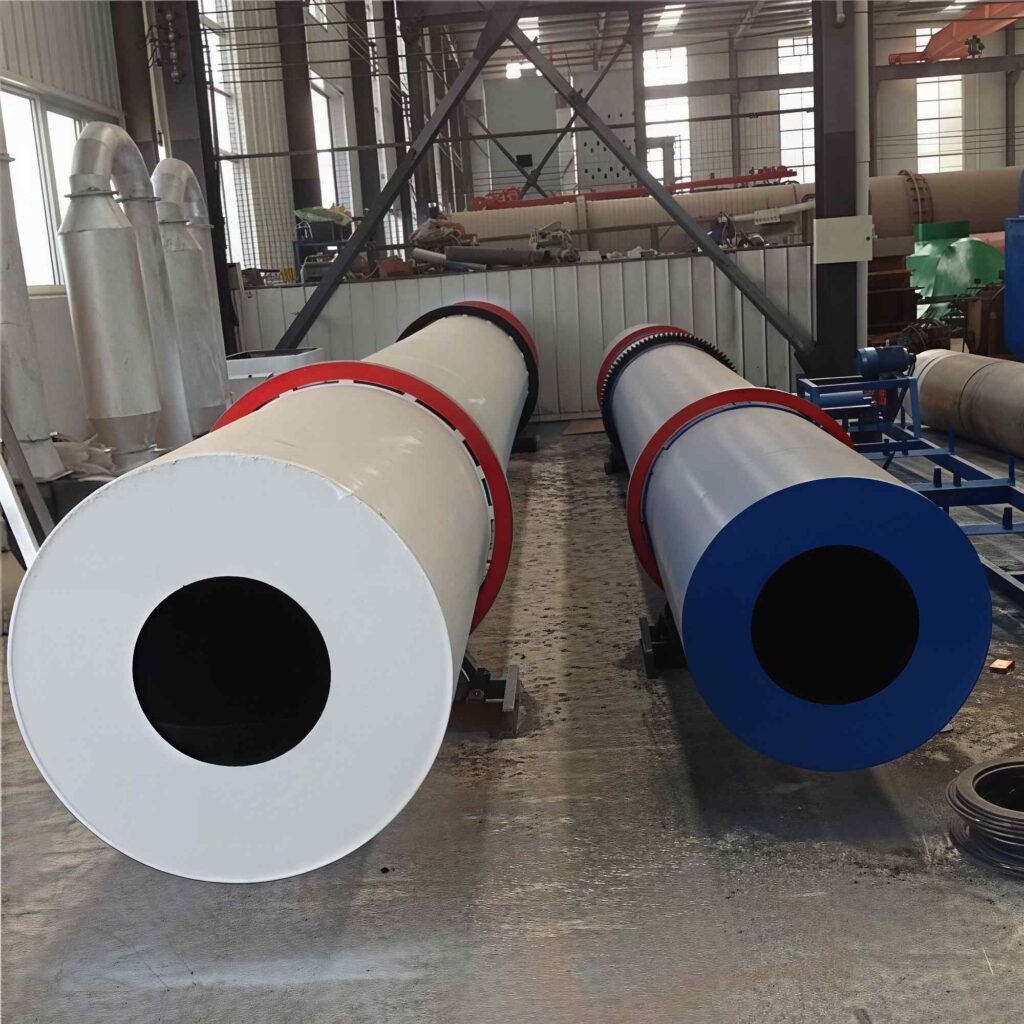
Table of Contents
What Is an Agricultural Waste Drying Machine?
An Agricultural Waste Drying Machine is specialized industrial equipment designed to remove moisture from agricultural by-products and biomass waste.
Unlike traditional natural drying methods, which depend heavily on weather conditions and require large areas, industrial agricultural dryers provide:
- Faster drying speed
- Stable drying performance
- Higher production capacity
- Lower labor requirements
- Better biomass quality
- Reduced storage losses
The machine uses controlled hot air circulation, heat exchange systems, and continuous feeding technology to achieve efficient moisture reduction.
Why Is Agricultural Waste Drying Important?
Agricultural waste usually contains high moisture levels after harvesting. Excess moisture creates several problems:
1. Prevent Mold Growth
Wet agricultural materials easily develop mold and bacteria during storage. Drying reduces moisture and extends storage life.
2. Improve Transportation Efficiency
Lower moisture content reduces material weight, helping reduce transportation costs.
3. Increase Biomass Value
Dry agricultural waste can be processed into:
- Biomass pellets
- Briquettes
- Animal bedding
- Organic fertilizer
- Renewable fuel
4. Reduce Environmental Pollution
Proper drying and recycling help avoid:
- Open burning of crop residues
- Air pollution
- Waste accumulation
- Greenhouse gas emissions
Applications of Agricultural Waste Drying Machine
Agricultural waste dryers are suitable for many types of biomass materials.
Crop Straw Drying
Common materials include:
- Rice straw
- Wheat straw
- Corn stalks
- Cotton stalks
- Bean stalks
Drying improves their usability for biomass fuel production and agricultural recycling.
Rice Husk Drying
Rice husk contains valuable biomass energy but usually has high moisture content.
A rice husk dryer helps:
- Reduce moisture
- Improve combustion efficiency
- Prepare material for pellet production
Corn Stalk Drying
Corn stalks are widely available agricultural residues. Drying machines help convert corn stalk waste into:
- Biomass pellets
- Animal feed
- Fuel materials
Animal Manure Drying
Agricultural waste drying technology is also used for livestock waste treatment.
Benefits include:
- Odor reduction
- Pathogen control
- Fertilizer production
- Waste volume reduction
How Does an Agricultural Waste Drying Machine Work?
Step 1: Material Feeding
Wet agricultural waste enters the drying system through automatic feeding equipment.
Step 2: Hot Air Contact
The drying chamber introduces controlled hot air to remove moisture from biomass materials.
Step 3: Moisture Evaporation
Water inside the material evaporates due to heat transfer.
Step 4: Material Discharge
The dried biomass is collected automatically and prepared for further processing.
Step 5: Dust and Gas Treatment
Advanced systems include dust collectors and exhaust treatment equipment to improve environmental performance.
Main Features of Agricultural Waste Drying Machine
High Drying Efficiency
The machine provides continuous drying operation and significantly reduces drying time compared with natural methods.
Energy Saving Design
Modern dryers use optimized airflow systems and heat recovery technology to reduce fuel consumption.
Large Processing Capacity
Industrial models can handle large volumes of agricultural waste for farms and biomass processing plants.
Automatic Operation
Many systems include:
- Automatic temperature control
- Intelligent feeding
- Moisture monitoring
- Automatic discharge
Environmentally Friendly
Drying equipment supports agricultural waste recycling and reduces open burning pollution.
Types of Agricultural Waste Drying Machines
Rotary Drum Dryer
Rotary dryers are one of the most popular solutions for agricultural biomass drying.
Advantages:
- Large capacity
- Continuous operation
- Suitable for many materials
- Stable performance
Applications:
- Straw
- Sawdust
- Rice husk
- Biomass particles
Belt Dryer
Belt dryers are suitable for materials requiring gentle drying.
Advantages:
- Uniform drying
- Lower temperature operation
- Suitable for sensitive materials
Flash Dryer
Flash drying technology provides rapid moisture removal.
Suitable for:
- Fine biomass powder
- Crushed agricultural residues
Benefits of Using an Agricultural Waste Drying Machine
Installing an agricultural waste drying system provides multiple economic and environmental benefits.
Increased Profitability
Farm waste can become a valuable resource instead of disposal waste.
Reduced Waste Management Costs
Companies can reduce expenses related to transportation and waste treatment.
Improved Product Quality
Proper drying improves:
- Storage stability
- Combustion efficiency
- Processing performance
Sustainable Agriculture Development
Drying technology supports:
- Circular agriculture
- Renewable energy production
- Green farming practices
How to Choose the Right Agricultural Waste Drying Machine?
When selecting agricultural drying equipment, consider the following factors:
1. Material Type
Different materials require different drying technologies.
Examples:
- Straw → Rotary dryer
- Manure → Specialized waste dryer
- Fine biomass powder → Flash dryer
2. Moisture Content
Higher moisture materials require stronger drying capacity.
Important parameters:
- Initial moisture percentage
- Target moisture percentage
- Drying temperature
3. Production Capacity
Choose equipment according to daily processing requirements.
Small farms may need:
- Small biomass dryers
Industrial plants may require:
- Large continuous drying systems
4. Energy Source
Common heating options include:
- Biomass fuel
- Natural gas
- Electricity
- Hot air systems
H2: Agricultural Waste Drying Machine Manufacturer
A professional agricultural waste drying machine manufacturer should provide:
- Customized drying solutions
- Complete production lines
- Installation support
- Technical service
- Spare parts supply
Reliable suppliers usually evaluate:
- Raw material characteristics
- Required capacity
- Energy availability
- Final product requirements
before designing the drying system.
Agricultural Waste Drying Machine Price Factors
The price of an agricultural waste dryer depends on several factors:
- Machine capacity
- Dryer type
- Material characteristics
- Heating method
- Automation level
- Customized design
Small agricultural dryers are suitable for farms, while large industrial biomass drying systems are designed for commercial recycling plants.
Future Development Trends of Agricultural Waste Drying Technology
With increasing demand for renewable energy and sustainable agriculture, agricultural waste drying technology is developing rapidly.
Future trends include:
Intelligent Control Systems
AI-based monitoring will improve drying accuracy and energy efficiency.
Low-Carbon Drying Technology
Manufacturers are developing cleaner heating solutions.
Integrated Biomass Processing Lines
Future systems will combine:
- Crushing
- Drying
- Pelletizing
- Packaging
into complete biomass recycling solutions.
Frequently Asked Questions
Q1: What materials can an agricultural waste drying machine dry?
Agricultural dryers can process straw, rice husk, corn stalks, wheat residues, manure, sawdust, and other biomass materials.
Q2: How long does agricultural waste drying take?
Drying time depends on material moisture, machine type, temperature, and capacity. Industrial dryers can complete drying continuously.
Q3: Is an agricultural waste dryer energy efficient?
Yes. Modern drying systems use optimized airflow, heat recovery, and efficient heating technologies to reduce energy consumption.
Q4: Can agricultural waste be reused after drying?
Yes. Dried agricultural waste can be used for biomass fuel, fertilizer production, animal bedding, and industrial materials.
Q5: How to select an agricultural waste drying machine manufacturer?
Choose manufacturers with:
- Engineering experience
- Customized solutions
- Quality certifications
- After-sales service