
Dust Collection Dryer System
The Best Choices for Your Project
We provide Dryer equipment for you
- Customization Service: Dryer for you
- Solution:Provide solutions for your problems
- Dryer length: 8 meters to 36 meters.
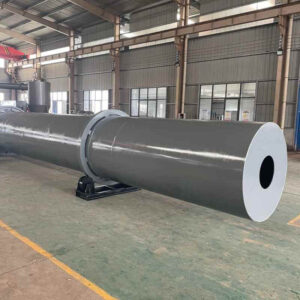
What is a Dust Collection Dryer System?
A Dust Collection Dryer System is an integrated industrial equipment that combines a drying unit with a dust collection (filtration) system. It simultaneously removes moisture from materials and captures airborne dust particles generated during the drying process, ensuring a cleaner, safer, and more efficient operation.
What Role Does the Dust Collection System Play?
The dust collection component is crucial for:
Workplace Safety: Reduces explosion risks and protects workers from inhaling harmful particles.
Product Quality: Prevents cross-contamination and maintains material purity.
Environmental Compliance: Minimizes dust emissions to meet regulatory standards.
Equipment Protection: Prevents dust buildup in machinery, reducing maintenance needs.
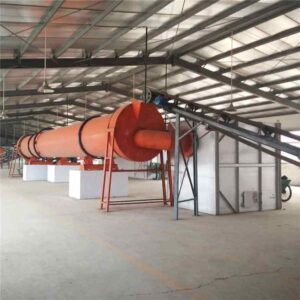
Features and Advantages of Dust Collection Dryer Systems
Key Features:
Integrated Design: Combines drying and dust control in one compact system.
High-Efficiency Filters: Use bag filters, cartridge filters, or cyclones for fine particle capture.
Temperature Control: Precise heating and airflow management for consistent drying.
Automated Operation: PLC controls for easy monitoring and adjustment.
Explosion-Proof Options: Designed for handling flammable materials.
Advantages:
Enhanced Safety: Significantly lowers dust-related hazards.
Energy Efficient: Recirculates hot air where possible, reducing energy consumption.
Space-Saving: Integrated design reduces footprint compared to separate units.
Improved Product Recovery: Captures valuable material from dust.
Materials Suitable for Drying with a Dust Collection Dryer System
This system is ideal for drying materials that tend to generate dust or are sensitive to contamination, including:
Powders: Ceramic powders, pigments, flour, spices.
Granules: Plastics, chemicals, minerals, fertilizers.
Fibrous Materials: Sawdust, biomass, plant fibers.
Slurries/Pastes: Some systems can handle paste-like materials with agitation.
Typical Parameters and Requirements of Dust Collection Dryer Systems
| Parameter/Requirement | Typical Range/Description |
|---|---|
| Drying Capacity | 50 kg/h to 5000 kg/h (varies by model) |
| Heating Source | Electric, Steam, Gas, Hot Water |
| Maximum Temperature | 50°C to 300°C (material dependent) |
| Dust Collection Efficiency | ≥99.5% (for particles >0.5 microns) |
| Filter Type | Bag Filter, Cartridge Filter, Cyclone |
| Airflow Rate | 1000 to 50,000 m³/h |
| Power Requirements | 10 kW to 200 kW (based on size) |
| Control System | PLC with Touchscreen Interface |
| Construction Material | Stainless Steel (SS304/SS316) for corrosion resistance |
| Explosion Protection | Optional ATEX or similar certifications |
Frequently Asked Questions (FAQ) about Dust Collection Dryer Systems
Q1: Can this system handle flammable or explosive materials?
A: Yes, many models offer explosion-proof designs with inert gas purging and anti-static features. Always confirm specifications with the manufacturer.
Q2: How often do filters need maintenance or replacement?
A: It depends on material load and particle size. Typically, filters are checked weekly and cleaned/replaced every 3–12 months with proper use.
Q3: Is it possible to recycle the collected dust?
A: In many cases, yes. Collected material (if still valuable) can often be reintroduced into the process, reducing waste.
Q4: What industries commonly use these systems?
A: Widely used in chemical, pharmaceutical, food processing, minerals, plastics, and biomass industries.
Q5: Can the system be customized for specific materials?
A: Absolutely. Manufacturers often customize parameters like temperature profiles, airflow, filter media, and construction materials to suit specific material properties.