
Mineral Dryer
The Best Choices for Your Project
We specialize in the production of Mineral Dryerand coal slag dryers, and can customize dryer equipment for customers
- Customization Service: Mineral Dryerfor you
- Solution:Provide solutions for your problems
- Dryer length: 8 meters to 36 meters.
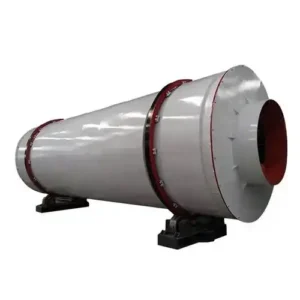
Table of Contents
What is a Mineral Dryer
A Mineral Dryer is an industrial drying machine specifically designed to remove moisture from a wide range of mineral ores, concentrates, and other mining or metallurgical materials. It plays a crucial role in mineral processing by reducing water content to meet the required specifications for subsequent stages like smelting, transportation, or further beneficiation. These dryers are engineered to handle abrasive, high-density, and often high-temperature materials efficiently and reliably.
How Does a Mineral Dryer Work?
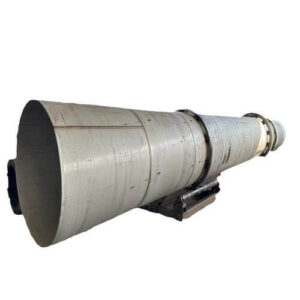
The core working principle involves direct or indirect heat transfer to evaporate moisture from the mineral feed. The most common type is the rotary dryer. Here’s the basic process:
Feeding: Wet minerals are fed into one end of a rotating, slightly inclined cylinder.
Heat Transfer: A hot gas (from a burner) flows through the cylinder, directly contacting the material (direct heating) or heating the shell (indirect heating). Lifters inside the cylinder lift and cascade the material through the hot gas stream for maximum exposure.
Drying: As the cylinder rotates, moisture evaporates. The inclined design and airflow allow the material to gradually move toward the discharge end.
Discharge: Dried minerals exit the other end, while moist exhaust gases are treated and released via a dust collection system.
What Materials Can a Mineral Dryer Dehydrate?
Mineral Dryers are versatile and can process a broad spectrum of materials, including but not limited to:
Metal Ores & Concentrates: Iron ore, copper concentrate, zinc concentrate, lead concentrate, gold ore, bauxite, manganese ore.
Industrial Minerals: Silica sand, quartz, kaolin (clay), bentonite, gypsum, limestone, fluorite, barite.
Chemicals & By-products: Coal/coke breeze, petroleum coke, nickel slag, blast furnace slag, steel slag, phosphate rock.
Key Features of Mineral Dryers
Robust Construction: Built with wear-resistant materials (like manganese steel liners) to withstand abrasive minerals.
High Thermal Efficiency: Designed to maximize heat exchange and minimize heat loss.
Adjustable Parameters: Rotation speed, inclination angle, temperature, and residence time can be adjusted for different materials.
Uniform Drying: The tumbling action ensures even exposure to heat, resulting in consistent product moisture content.
Dust Seal Systems: Effective sealing at feed and discharge ends to prevent dust leakage.
Advantages of Using a Mineral Dryer
High Capacity & Efficiency: Capable of processing large volumes continuously, significantly boosting production lines.
Reduced Transportation Costs: Lowering moisture content reduces weight and volume, saving on shipping costs.
Improved Downstream Processing: Dry materials are easier to crush, grind, pelletize, or smelt, enhancing overall process efficiency.
Stable Product Quality: Precise moisture control ensures product consistency and meets market specifications.
Low Maintenance & Long Lifespan: Durable design reduces downtime and operational costs over the long term.
How is the Heat Source for a Mineral Dryer Selected?
The choice of heat source depends on availability, cost, environmental regulations, and material properties.
Natural Gas / Propane: Clean, efficient, and widely preferred for easy temperature control and lower emissions.
Diesel / Heavy Oil: Suitable for areas without gas pipelines; higher operational cost and more maintenance.
Coal: Economical in coal-rich regions but requires complex combustion systems and rigorous emission treatment.
Biomass / Waste Heat: Eco-friendly and cost-effective options if biomass is abundant or waste heat (from kilns, generators) is available.
Electricity: Used in specific cases (e.g., indirect dryers), clean but often expensive for large-scale operations.
Automation Level of Mineral Dryers
Modern Mineral Dryers feature high automation levels:
Basic PLC Control: Automates start/stop sequences, monitors temperature, and rotation speed.
Advanced SCADA Systems: Integrates real-time monitoring of moisture (via online sensors), temperature zones, fuel consumption, and fan speeds. Allows for automatic feedback loops to adjust burner heat or feed rate for optimal drying.
Remote Monitoring & Diagnostics: Enables operators to monitor performance and receive alerts via IoT platforms, facilitating predictive maintenance.
How Does a Mineral Dryer Address Environmental Concerns?
Environmental protection is integral to dryer design:
Dust Collection Systems: Cyclones, baghouse filters (bag filters), or wet scrubbers are employed to capture fine particles from exhaust gases, ensuring emissions meet standards.
Efficient Burners: Use low-NOx burners to minimize nitrogen oxide emissions.
Heat Recovery: Systems can be installed to recycle waste heat from exhaust to preheat combustion air or feed material, improving efficiency and reducing fuel consumption.
Noise Reduction: Equipment is designed with noise enclosures and vibration dampeners
How to Choose the Right Mineral Dryer
Consider these key factors when selecting a dryer:
Material Characteristics: Initial moisture content, final moisture requirement, particle size, abrasiveness, heat sensitivity, and flowability.
Production Capacity: Required tons per hour (TPH) or per day.
Heat Source Availability: As discussed in the dedicated section.
Space & Layout: Available installation space and plant workflow.
Environmental Regulations: Local emission and noise standards will dictate required ancillary equipment.
Budget & ROI: Consider both capital expenditure (CAPEX) and long-term operating costs (OPEX), including fuel and maintenance.
Supplier Reputation: Choose an experienced manufacturer with proven references in mineral drying for quality design and reliable after-sales service.
Frequently Asked Questions (FAQ) about Mineral Dryers
Q1: What is the typical moisture reduction range for a mineral dryer?
A: It can vary widely. For example, it can reduce moisture from 15-20% down to 8-10% for concentrates, or from 30-40% to below 10% for sands and clays, depending on the initial state and final requirement.
Q2: Is indirect heating better than direct heating for minerals?
A: Indirect heating is preferred for heat-sensitive materials or when contamination from combustion gases must be avoided. However, direct heating is generally more efficient and cost-effective for most standard mineral applications.
Q3: How long is the drying time (residence time) inside the dryer?
A: Residence time typically ranges from 20 to 60 minutes, adjusted by the cylinder’s rotation speed, inclination, and internal flight design to suit the material’s drying curve.
Q4: What are the main maintenance points for a rotary mineral dryer?
A: Key maintenance includes regular inspection and replacement of wear liners and lifters, checking gear and bearing lubrication, maintaining seal integrity, and cleaning the dust collection system.
Q5: Can one dryer handle multiple different mineral types?
A: Yes, but it requires careful adjustment of operating parameters (temperature, feed rate, residence time) for each material. Some cross-contamination might occur unless thoroughly cleaned between batches.