
We provide Dryer equipment for you
Rotary dryer for fertilizer
The Best Choices for Your Project
- Customization Service: Dryer for you
- Solution:Provide solutions for your problems
- Dryer length: 8 meters to 36 meters.
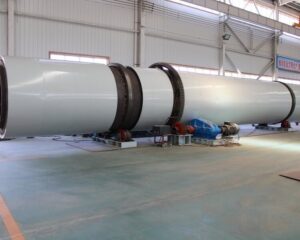
Table of Contents
Rotary Dryer for Fertilizer: The Ultimate Guide
If you’re in the fertilizer business, dealing with wet material is a constant challenge. A rotary dryer for fertilizer is the industrial workhorse that solves this problem. Simply put, it’s a large, rotating cylindrical drum that uses heat and motion to efficiently remove moisture from various fertilizer materials. It’s not just about drying; it’s about creating a stable, marketable, and nutrient-rich product. Forget complex jargon—this is about practical, reliable machinery that gets the job done day in and day out.
What Makes a Rotary Dryer Stand Out? Its Key Features & Advantages.
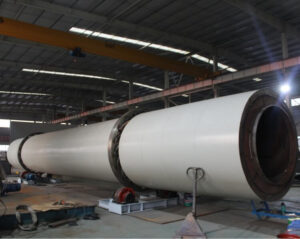
This isn’t a delicate piece of equipment. Its strengths lie in robust design and straightforward operation. The rotating drum gently tumbles the fertilizer, exposing all particles evenly to the heat source. This tumbling action prevents clumping and ensures uniform drying. The real advantage is its versatility—it can handle a wide range of materials from powders to granules with varying initial moisture levels. It’s built to last with minimal moving parts, which translates to lower maintenance costs and less downtime compared to more finicky drying systems. You get consistent results, batch after batch.
Why Can't You Skip the Rotary Dryer in Fertilizer Production?
Trying to sell or store wet fertilizer is a recipe for loss. Excess moisture leads to caking, making the product unusable. It promotes microbial growth and nutrient degradation, reducing the fertilizer’s effectiveness. More critically, wet material is heavy, skyrocketing your shipping costs. A rotary dryer actively solves these problems. It stabilizes the product, extending its shelf life dramatically. By reducing volume and weight, it slashes storage and transportation expenses. In short, it transforms a raw, problematic material into a high-quality commercial commodity.
How Dry Can It Get? Moisture Reduction Capabilities.
The performance depends on your starting point and the material, but rotary dryers are remarkably effective. Typically, they can take organic fertilizers with an initial moisture content as high as 40-50% down to a stable, manageable level of around 12-15% or even lower for some materials. For certain by-products or sludges, the reduction can be even more dramatic. The key is the controlled, prolonged exposure to heat within the drum, which ensures deep moisture removal, not just surface drying.
Which Organic Fertilizers Work Best with This Dryer?
Rotary dryers are incredibly adaptable. They are perfectly suited for bulkier, non-uniform organic materials. Common examples include animal manure (poultry, cow, sheep), composted municipal solid waste, biogas residue (digestate), peat, and seaweed-based fertilizers. They also excel at drying filter cakes from food processing or wastewater treatment that are repurposed into fertilizer. If your material is organic, somewhat coarse, and produced in large volumes, a rotary dryer is likely the most efficient and cost-effective choice.
Heat Source Options: Fitting Your Facility's Needs.
You have choices here, allowing you to match the heat source to your local fuel availability and cost. The most common are direct-fired systems using natural gas, propane, diesel, or even biomass (like wood chips or agricultural waste). Indirect heating, using thermal oil or steam, is preferred for heat-sensitive materials or where contamination from combustion gases must be avoided. The choice boils down to your budget, the sensitivity of your product, and the existing infrastructure at your plant.
How to Choose the Right Rotary Dryer: A Buyer's Checklist.
Don’t just buy a machine; invest in a solution. Start by clearly defining your needs: the type and hourly tonnage of material you need to dry, the inlet and required outlet moisture levels. Consider your available space and the preferred heat source. Look for a manufacturer with a proven track record in fertilizer drying—ask for client references. Examine the build quality: thick drum steel, reliable gear and drive system, and quality insulation. Finally, evaluate the supplier’s after-sales support. Can they provide installation guidance, spare parts, and timely service? The cheapest upfront option often becomes the most expensive in the long run.
Other Frequent Questions We Hear from Customers.
What about dust and smell? Modern dryers are equipped with dust collection systems (like cyclones and bag filters) and can be integrated with scrubbers or biofilters to control odors—a must for environmentally sensitive locations.
How long does the drying process take? Residence time in the drum varies, typically from 30 minutes to over an hour, adjustable by drum speed and angle to suit the material.
Can it handle other materials? Absolutely. Many operations use the same dryer for multiple products, like minerals, sand, or biomass, offering great operational flexibility.
Is it energy efficient? While consuming energy, its efficiency comes from high throughput and continuous operation. Features like heat recovery systems can be added to reuse exhaust heat, significantly cutting fuel costs.