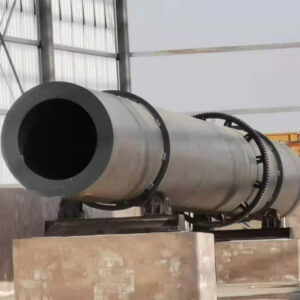
manure dryer

The Best Choices for Your Project

manure dryer

A Manure Dryer is an industrial drying system designed to efficiently reduce the moisture content of various types of manure (e.g., from livestock, poultry). By applying heat, it transforms wet, raw manure into a stable, dry, granular, or powdery product. This process significantly reduces volume and weight, making the manure easier to store, transport, and convert into valuable organic fertilizer or biofuel.

Our manure dryers are versatile and can handle a wide range of organic waste materials, including:

  • Livestock Manure: Cow dung, pig manure, horse manure.

  • Poultry Manure: Chicken manure, duck manure, turkey litter.

  • Other Organic Wastes: Sludge from wastewater treatment, biogas plant residue, agricultural waste, and compost mixtures.

Below is a detailed table of our standard manure dryer models. We can also customize a model to meet your specific capacity and site requirements.


ModelDrum Diameter (m)Drum Length (m)Capacity (TPD)*Initial Moisture (%)Final Moisture (%)Power (kW)Evaporation Capacity (kg H₂O/h)
MD-1.21.285-860-80%10-15%15~250
MD-1.51.51010-1560-80%10-15%22~500
MD-1.81.81218-2560-80%10-15%30~1000
MD-2.22.21430-4060-80%10-15%45~1500
MD-2.42.41645-6060-80%10-15%55~2000
MD-2.82.81870-9060-80%10-15%75~3000
MD-3.03.020100-12060-80%10-15%90~4000

Note:

  • TPD: Tons Per Day of wet material input. Capacity is highly dependent on initial moisture content and heat source.

  • Power: Main motor power for the drum rotation. Does not include power for the burner, feeder, or dust removal system.

  • All parameters are for reference and subject to customization based on customer needs.

How Does a Manure Dryer Work?

The drying process typically follows these steps:

  1. Feeding: Wet manure is fed into the dryer cylinder via a conveyor or feeder.

  2. Drying Drum: The material enters a large, rotating drum. Inside the drum, a series of internal fins lift and cascade the manure through a stream of hot air.

  3. Heat Exchange: The hot air, generated by a heating source, flows through the drum, directly or indirectly contacting the manure. This evaporates the moisture.

  4. Crushing & Dispersal: As the drum rotates, internal crushing devices break up clumps of manure, ensuring uniform drying and increasing the surface area exposed to the heat.

  5. Discharge: The dried manure is discharged from the other end of the drum.

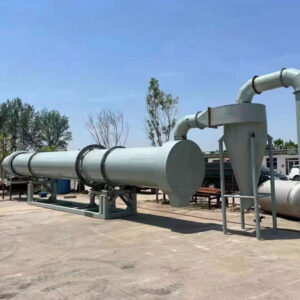
  6. Dust & Odor Treatment: The exhaust gas, containing steam, dust, and potential odors, is directed into a dedicated air pollution control system (like a cyclone, scrubber, or condenser) to meet environmental standards before being released.
Solving Odor and Dust Problems

We integrate advanced de-dusting and deodorizing systems to solve the critical challenges of smell and smoke during drying:

  • For Odor Control: We equip our systems with Biological Scrubbers or Chemical Scrubbers. These units use a mist of water and specific biological agents or chemicals to neutralize and absorb odor-causing compounds (like ammonia and hydrogen sulfide) from the exhaust gas.

  • For Dust & Smoke Control: A multi-stage process is employed:

    1. Cyclone Separator: Captures large dust particles for collection and reuse.

    2. Baghouse Dust Collector or Wet Scrubber: This is the core of dust removal. The baghouse uses fabric filters to capture fine dust particles with over 99% efficiency. A wet scrubber can simultaneously capture dust and help dissolve some odors.

    3. Condenser (Optional): Cools the exhaust gas, condensing water vapor and further capturing residual dust and odors.

This integrated approach ensures the drying process is environmentally friendly and compliant with local regulations.

Heat Source Options and How to Choose

Selecting the right heat source is crucial for cost-effectiveness and efficiency.


Heat SourceProsConsBest For
Natural Gas / PropaneClean combustion, easy control, widely available.Can be expensive, requires gas line infrastructure.Areas with low gas prices and strict emission controls.
Diesel / Fuel OilHigh thermal efficiency, powerful.High fuel cost, produces emissions (SOx, NOx).Mobile or temporary setups, areas without other fuel options.
Biomass BurnerVery cost-effective, uses waste wood/agricultural biomass.Requires a large storage area for fuel, produces ash.Farms with abundant biomass waste (wood chips, straw).
CoalLow fuel cost.High pollution, ash disposal, may not meet environmental standards.Regions where coal is the only economical option and regulations allow.
Electric HeaterZero on-site emissions, precise temperature control.Very high operating cost (electricity).Small-scale operations or areas with cheap, renewable electricity.
Heat from BiogasUtilizes on-site biogas (from digesters), very sustainable.Requires a pre-existing biogas plant.Farms with anaerobic digesters.
Hot Air from FurnaceCan use a variety of fuels, efficient.Requires a separate furnace system.Integrated systems where waste heat is available.

How to Choose the Right Heat Source:

  • Local Fuel Cost and Availability: The most decisive factor. Choose the most abundant and cheapest fuel in your region.

  • Environmental Regulations: Ensure the chosen heat source complies with local air quality standards.

  • Project Scale: Large-scale operations benefit more from cheaper fuels like biomass, while small farms might prefer gas or electricity.

  • Moisture Content of Manure: Very wet manure may require a higher temperature heat source.

Our Advantages in Manure Dryer Systems

  • Customized Design & Layout: We don’t just sell machines; we provide solutions. We analyze your specific site size and layout to design a complete, space-efficient production line that fits your available area.

  • Comprehensive Pollution Control: Our integrated odor and dust removal systems ensure an environmentally responsible and neighbor-friendly operation.

  • High Energy Efficiency: Advanced heat insulation and internal structures maximize heat transfer, reducing fuel consumption and operating costs.

  • Durable Construction: We use high-temperature and corrosion-resistant materials to ensure long service life, even in harsh conditions.

  • One-Stop Service: From initial consultation and design to manufacturing, installation, and after-sales support, we provide full lifecycle service.

滚动至顶部

Get A Free Consultation And Quote