
Bio-fertilizer dryer
The Best Choices for Your Project
We provide Dryer equipment for you
- Customization Service: Dryer for you
- Solution:Provide solutions for your problems
- Dryer length: 8 meters to 36 meters.
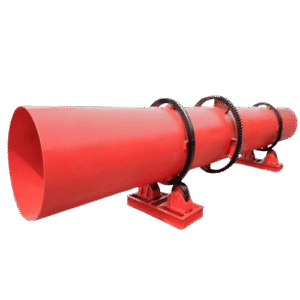
Table of Contents
What is a Bio-fertilizer Dryer?
Think of a bio-fertilizer dryer as a specialized oven for organic fertilizers. It’s not your average dryer; it’s built to handle the unique challenges of drying materials like compost, manure, or plant-based meals. Its main job is to efficiently and consistently remove moisture from these organic products, turning them from a wet, clumpy mass into a stable, dry, and easy-to-use powder or granules. This step is crucial because it locks in the nutrient value and makes the fertilizer practical for farmers to store, transport, and spread on their fields.
What Types of Organic Fertilizers Can It Dry?
This machine is a versatile workhorse for organic farms and production lines. It can efficiently handle a wide range of materials. Common examples include animal manure (like chicken, cow, or sheep manure), compost made from green waste, food processing leftovers (such as brewer’s grains or fruit pomace), peat, seaweed extracts, and blended organic fertilizer formulations. Essentially, if it’s an organic material meant to enrich the soil, this dryer can process it from a wet state to a market-ready product.
How Does a Bio-Fertilizer Dryer Work?
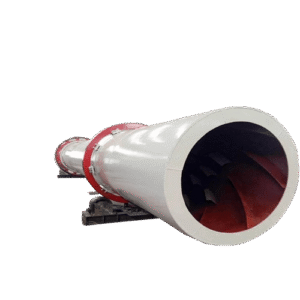
The principle is about heat and airflow, but applied smartly. Typically, the wet organic material is fed into a large, rotating drum. Inside this drum, hot air from a heater (often powered by natural gas, biomass, or steam) is blown through. As the drum rotates, it lifts and showers the material through the stream of hot air. This exposes maximum surface area, allowing moisture to evaporate quickly. The humid air is then expelled, leaving behind dry, crumbly fertilizer. The key is the controlled, even application of heat to avoid burning the valuable nutrients.
Design Features for Drying Organic Fertilizer
These dryers aren’t off-the-shelf; they’re tailored for the job. First, the interior has special lifting plates or flights that constantly tumble the material to prevent clumping and ensure even drying. Second, the heat source and airflow are carefully calibrated to operate at temperatures that remove water without “cooking” and destroying the beneficial microbes and organic compounds—this is low-temperature drying. They also often include dust control systems to keep the operation clean and meet environmental standards. The materials used are corrosion-resistant to handle the sometimes acidic or abrasive nature of organic feedstocks
How to Design for Rapid Organic Fertilizer Drying
To speed up drying, several factors come into play. Increasing the hot air temperature within a safe range is the first step, but balance is critical to avoid nutrient loss. Improving the airflow rate helps carry away moisture faster. The design of the internal lifting structure is vital—better tumbling means every particle gets exposed to the heat. Pre-dewatering the feedstock with a press or thickener to reduce its initial moisture is perhaps the most effective step, as it gives the dryer less work to do. Finally, insulating the drum keeps the heat where it’s needed, improving energy efficiency and drying speed
Applications of Dried Organic Fertilizer
Once dry, the possibilities open up. The primary use is, of course, as a direct soil amendment to boost fertility and structure in fields, gardens, and potted plants. Dry fertilizer is easy to bag and sell commercially. It’s also the essential base material for creating pelletized or granulated organic fertilizers, which are preferred for large-scale mechanized farming. Additionally, it can be blended with other minerals or nutrients to create custom fertilizer mixes. The stable, dry product is also ideal for longer-term storage or export over distances.
At Which Production Stage is the Dryer Used?
The dryer is a central player in the middle of the organic fertilizer production line. It comes into action after the initial stages of fermentation, composting, and any coarse crushing, and before the final steps of fine grinding, pelletizing/granulating, screening, and packaging. It serves as the critical bridge that transforms the stabilized but moist compost into a material that is ready for precise finishing and formulation.
Organic Fertilizer
Why is the Dryer Crucial for Organic Fertilizer Production?
Its importance cannot be overstated. Without efficient drying, the entire production chain can stall. It determines the final product’s quality, shelf life, and usability. Proper drying prevents caking and blocking in storage or machinery, ensures accurate nutrient content in each bag, and stops microbial re-growth that could spoil the product during storage. It directly impacts the efficiency of downstream processes like grinding and pelletizing. Simply put, a reliable bio-fertilizer dryer is what makes consistent, high-quality, and marketable organic fertilizer possible.
How to Choose the Right Bio-fertilizer Dryer
Selecting the right machine requires looking at your specific operation. Start by analyzing your raw material: its type, initial moisture content, and stickiness. Then, determine your required output capacity (tons per hour). Consider your available heat source (steam, gas, biomass, etc.) based on local fuel cost and availability. Look at the drying technology offered—some dryers may offer better heat distribution or lower energy use. Don’t forget about space constraints and emission regulations in your area. Reputable manufacturers can help you test your material and recommend a model that balances performance with your budget.
FAQ about Bio-fertilizer Dryers
What’s the difference between this and a regular dryer? It’s built for tougher, more variable organic materials and uses gentler, more controlled heat to preserve nutrients.
Can it handle high moisture content? Yes, but for very wet slurry (over 80% moisture), pairing it with a mechanical dewatering device first is highly recommended to save energy.
Is the process smelly or polluting? Modern dryers are enclosed and often connected to odor-control or dust-scrubbing systems to minimize environmental impact.
What about energy costs? Operating costs depend on the heat source. Many operations are turning to biomass burners that use waste materials as fuel to reduce costs.
How do we ensure consistent results? The key is stable feeding, consistent heat supply, and adjusting drum speed or airflow based on the moisture of the output material.