The Workhorse of Sand Processing
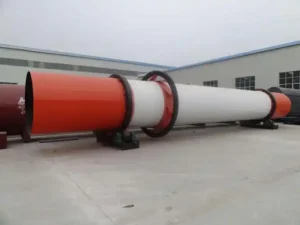
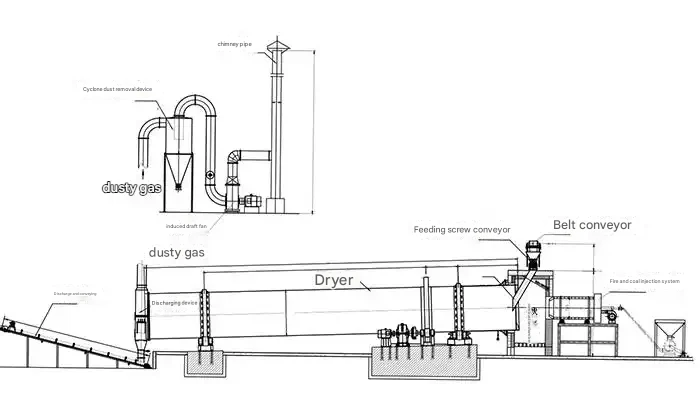
Ever wonder how massive construction projects get their consistent, high-quality dry sand, rain or shine? That’s where the River Sand Dryer comes in. This industrial powerhouse is specifically engineered to efficiently remove moisture from naturally wet or washed river sand. It transforms damp, clumpy sand into free-flowing, perfectly dried material that’s ready for critical applications like concrete production, mortar mixing, or precast manufacturing. Think of it as a massive, precision oven for sand. A typical system isn’t just a single drum; it’s a coordinated setup. The core is the rotating drum, where the drying magic happens. This is supported by a robust combustion chamber (furnace) for generating heat, a feeding system like a belt conveyor or hopper, a discharge system for the dried product, a dust collection unit (like a bag filter or cyclone) to capture fines, and a central control panel to command it all.
Why Dry Sand? More Than Just Removing Water
Drying river sand” might sound simple, but its impact is profound. For the environment, it means sand can be processed and reused from nearby sources, drastically cutting down the need for dredging new riverbeds and reducing associated habitat disruption and water turbidity. It allows for the use of filtered or recycled water wash sand. For industries like construction and mining, it’s a game-changer. Consistent moisture content eliminates guesswork in concrete mix designs, leading to stronger, more reliable structures. It enables year-round production, prevents material clumping in storage and transportation, and turns a variable natural resource into a standardized, high-value industrial commodity.
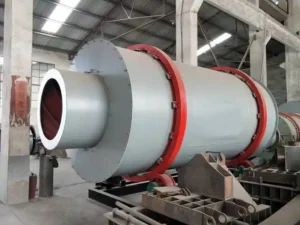
So, what exactly is a River Sand Dryer? At its heart, it’s a direct or indirect heat transfer machine. Wet sand is fed into a gently inclined, rotating drum. As it tumbles through the drum, it comes into contact with hot gases from a furnace, evaporating the moisture which is then carried away. Lifter blades inside the drum ensure the sand is showered through the hot air stream for maximum efficiency. In terms of capacity, these dryers are scalable workhorses. Production ranges can start from modest models handling 20-50 tons per day for smaller operations, all the way up to massive, continuous systems processin
The Operator's Perspective: Safe, Simple, and Smart
From an operator’s viewpoint, modern river sand dryers are designed for practicality. Operation typically follows a logical sequence: start the dust collector, ignite the heat source (furnace), begin the drum rotation, and then start feeding the wet sand via the conveyor. The control panel is the command center. Safety is paramount. Systems include pressure relief valves, temperature sensors to prevent overheating, emergency stop buttons at key locations, and electrical overload protection. Proper guarding around moving parts is standard.
Where things really shine today is automation. Many units now feature programmable logic controller (PLC) systems. An operator can set the desired final moisture percentage, and the system auto-adjusts the feed rate, drum speed, and furnace temperature in real-time. This not only makes the machine incredibly user-friendly but also locks in consistency, saves fuel, and frees up the operator for supervision rather than constant manual tweaking.
River Sand Dryer Process Flow
Built to Last and Designed to Save
The characteristics of a robust river sand dryer define its performance. Look for a drum made from wear-resistant steel, high-temperature resistant flight/lifter design for optimal material turnover, and well-insulated housing to retain heat. Efficient heat exchange is the key.
These features translate into clear advantages: significantly higher drying efficiency compared to open-air sun-drying (which is weather-dependent), lower operational costs per ton, minimal sand loss, and a much smaller physical footprint for the output achieved.
A critical flexibility point is heat source selection. A good dryer can be adapted to burn various fuels. Common options include diesel/natural gas for cleaner operation, coal for lower fuel costs in certain regions, biomass (like wood chips) for sustainability, or even utilize waste heat from other processes. The choice depends on local fuel availability, cost, and environmental regulations.
Finding Your Perfect Match – It's Not One-Size-Fits-All
Choosing the right river sand dryer isn’t about picking the biggest one. It’s a calculated decision. Customers need to assess their actual situation: What is your daily/required tonnage? What’s the initial moisture content of your sand, and what final dryness do you need? What fuel is most accessible and economical for you? What space do you have available at your site? What is your budget, considering both upfront investment and long-term running costs? Answering these questions points you to the suitable capacity, model, and configuration.
This is where customization makes all the difference. We don’t just sell machines; we provide solutions. Based on your specific answers, we tailor the system. This could mean adjusting the drum length and diameter for your throughput and drying time, selecting the appropriate heat source assembly, designing the feeding and discharging height to match your plant layout, or integrating specific dust control requirements. Our goal is to deliver a dryer that fits seamlessly into your operation, maximizing your productivity and return on investment from day one.