Overview – Your Key to Efficient Sand Processing
For construction, foundry, or industrial projects, moisture-laden sand can bring operations to a grinding halt. So, what’s the core function of a sand drying machine? Simply put, it efficiently removes excess moisture from sand, transforming wet, clumpy material into free-flowing, consistently dry sand ready for immediate use. This isn’t limited to just one type; these robust machines expertly handle river sand, sea sand (after washing), silica sand, quartz sand, foundry sand, and various types of manufactured sand. Beyond basic drying, modern sand dryers are built for durability with high-temperature resistance, feature intelligent control systems for precise moisture management, and are designed with energy efficiency and environmental protection in mind, making them a cornerstone of productive and responsible material processing.
Deep Dive into the Sand Drying Machine
A. The Machine Dissected: Composition & Environmental Impact
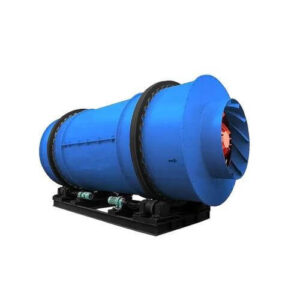
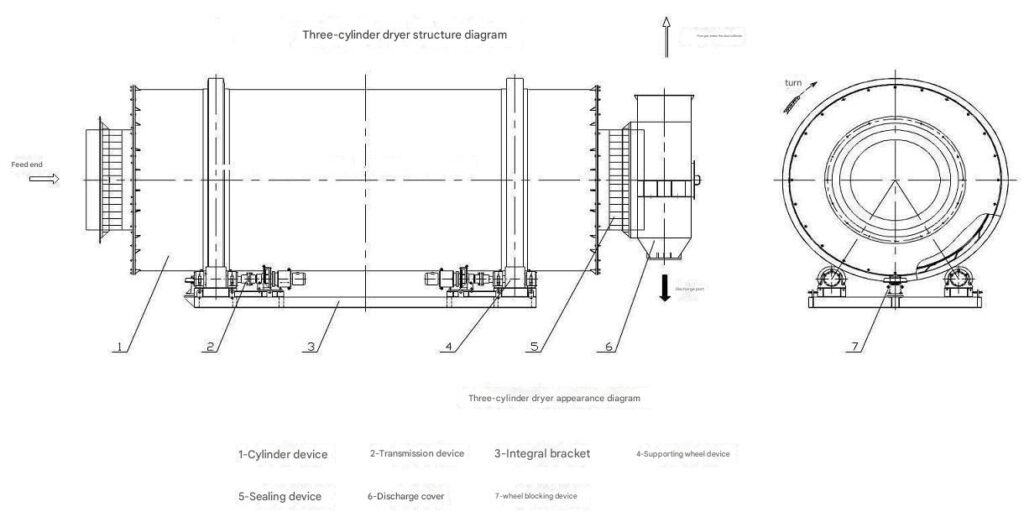
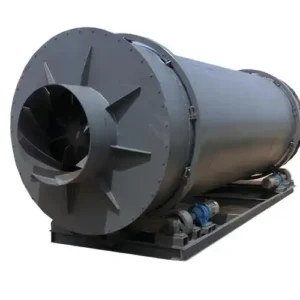
A sand drying machine is far more than just a simple heated drum. It’s an integrated system engineered for continuous, high-volume drying. At its heart is the rotating drum, where the drying action occurs. This drum is supported by a sturdy base frame, riding on trunnion wheels and rings, and driven by a gear and pinion assembly for smooth rotation. The complete system also includes a reliable heating unit (like a burner or furnace), a feeding conveyor for constant material input, a discharge conveyor for collecting dry sand, a dust collection system (typically a bag house or cyclone) to capture fine particles, and an intelligent control panel overseeing the entire operation. By precisely controlling moisture, these dryers ensure optimal sand quality for concrete strength or casting precision. Importantly, the enclosed design and integrated dust collectors significantly reduce particulate emissions, while efficient combustion and heat recovery options minimize fuel consumption and the project’s overall carbon footprint.
Performance & Flexibility: Drying Traits and Heat Source Options
The effectiveness of a sand dryer lies in its high thermal efficiency and ability to achieve uniform dryness across all particles, thanks to the drum’s lifting flights that shower sand through the hot air stream. When it comes to power, these machines offer remarkable flexibility in heat source selection. Common and cost-effective options include natural gas, diesel, or coal burners. For operations prioritizing sustainability or with access to biomass, options like wood chips, sawdust, or biogas present excellent eco-friendly alternatives. In some industrial settings, waste heat from other processes can even be harnessed, turning a byproduct into a valuable resource for drying and boosting overall plant efficiency.
How It Works – The Drying Process Unveiled
The principle is elegantly straightforward yet highly effective. Wet sand is steadily fed into the elevated end of a slightly inclined, rotating drum. As the drum turns, internal lifting flights pick up the sand and cascade it repeatedly through the interior. Simultaneously, a controlled stream of hot gases from the chosen heat source is introduced, flowing either parallel to or counter-current to the sand’s movement. This direct contact ensures maximum heat transfer. The tumbling action exposes every grain’s surface, evaporating moisture rapidly. The dried sand then exits at the lower end, while the moisture-laden exhaust gases are treated through the dust collection system before being released, ensuring a clean operation from start to finish.
Advantages & Operational Mastery
Why does a dedicated sand dryer outmatch traditional sun-drying or makeshift methods? The advantages are clear: vastly faster processing times (hours versus days), unmatched consistency in final moisture content, a significantly larger capacity to meet project demands, and operation that is utterly weather-independent. Furthermore, automated controls reduce labor costs and minimize human error. To reap these benefits, correct operation is key. Operators must ensure steady feed rates to avoid overloading, strictly monitor inlet and outlet temperatures as per the manufacturer’s guidelines, perform regular visual and auditory checks on bearings and gear drives, and adhere to a disciplined maintenance schedule for the drum, seals, and the entire dust collection system. Think of it as running a marathon – a steady, well-maintained pace wins the race.
Selecting Your Perfect Sand Drying Machine
Choosing the right dryer isn’t a one-size-fits-all decision; it requires careful consideration of your specific needs. Start by analyzing your material: sand type, initial moisture level, and required final dryness. Then, calculate your needed capacity (tons per hour) to ensure the machine matches your project scale. Your local fuel availability and cost will heavily influence the optimal heat source choice (gas, biomass, etc.). Don’t forget about space constraints at your site—measure the available area for the dryer and its ancillary equipment. Lastly, always prioritize suppliers with proven reliability and service, checking for quality components and positive customer feedback. A reputable manufacturer won’t just sell you a machine; they’ll help you navigate these choices.
Schematic Diagram of Sand Dryer Operation
Tailored Solutions: Custom-Built for Your Vision
We understand that standard models sometimes don’t fit unique operational landscapes or ambitious production goals. That’s why we offer extensive customization for our sand drying machines. Whether you need a specific drum length-to-diameter ratio for a particular drying curve, special wear-resistant liners for abrasive sands, a fully automated control system integrated with your existing plant PLC, or a unique heat source configuration, our engineering team can work with you. By tailoring the equipment to your exact feedstock, desired output, and site conditions, we ensure you get a drying solution that isn’t just equipment, but a competitive advantage for your business.