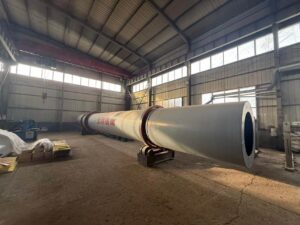
What is a Rotary Drum Drying Machine?
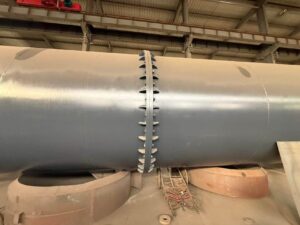
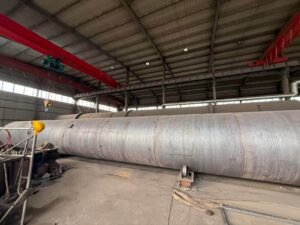
A Rotary Drum Drying Machine is an industrial workhorse designed to remove moisture from a wide range of materials through direct or indirect heat transfer. Picture a large, rotating cylindrical drum—often slightly inclined—where wet feed enters at one end, travels through the drum while being heated, and exits as a consistently dry product. It’s valued for its high capacity, durability, and ability to handle materials with varying moisture levels and particle sizes. Think of it as a reliable, scalable drying solution that keeps production lines moving efficiently.
In Which Industries is it Applied?
This dryer is incredibly versatile and serves as a backbone in many sectors. You’ll find it in mining and minerals processing coal, ore, or sand; in agriculture for drying grains, feed, or distillers’ grains; in chemical plants processing fertilizers, salts, or polymers; in construction material production for clay, slag, or gypsum; and increasingly in environmental projects like drying municipal sludge or biomass waste. Essentially, wherever large-volume, continuous drying is needed, the rotary drum dryer is often the go-to option.
What Materials Can It Dry?
From powders and granules to flakes and sludges, the rotary drum dryer handles a diverse list. Typical materials include minerals (iron ore, bauxite, limestone), agricultural products (corn, soybeans, animal feed), chemical substances (NPK fertilizer, sodium chloride, PVC), organic wastes (sawdust, bagasse, manure), and construction materials (clay, sand, metallurgical slag). Its design allows it to adapt to materials with different thermal sensitivities and physical structures.
What is its Technical Working Principle?
The principle combines heat transfer, material movement, and airflow. Wet material is fed into the rotating drum. As the drum turns, internal lifting flights (fins) lift and shower the material through a hot air stream—this is the direct-heat method. Alternatively, in indirect setups, heat is applied via steam or hot air through an outer jacket. The inclined rotation gently moves material toward the discharge end, while moisture evaporates and is carried away by exhaust gases. Controls over temperature, rotation speed, and air flow ensure optimal drying.
How Does It Compare to Other Dryers?
Compared to fluidized bed dryers, rotary drum dryers are often more robust for abrasive or high-moisture materials but may have higher heat consumption. Versus belt dryers, they typically offer higher thermal efficiency for bulk solids and handle a wider size range, though footprint can be larger. Against spray dryers, rotary drums are better suited for larger particles and slurries, not fine powders requiring ultra-fast drying. In short, it shines where you need continuous, heavy-duty drying of non-delicate, bulk materials.
Why Do Many Industries Need It?
Industries rely on it for three core reasons: capacity, reliability, and cost-effectiveness. It runs 24/7 with minimal supervision, processes tons of material per hour, and withstands harsh operating conditions. By reducing moisture, it cuts transport weight, prevents spoilage, improves downstream processing, and turns waste into usable products. For large-scale operations, this dryer is often the most economical choice over its lifecycle—durable, easy to maintain, and adaptable to different fuels.
How Does It Address Environmental Concerns?
Modern rotary drum dryers integrate several green features. Dust emissions are controlled via bag filters or cyclones. Heat recovery systems recycle exhaust heat to preheat incoming air, cutting fuel use. For odor or VOC emissions, afterburners or scrubbers can be added. Low-NOx burners reduce nitrogen oxides. Additionally, by drying sludge or biomass, the machine supports waste-to-energy or recycling initiatives, turning environmental liabilities into resources.
How Should Customers Choose the Right Machine?
Selecting the right dryer involves a clear analysis of your needs. Key factors include: material characteristics (moisture content, particle size, abrasiveness); required throughput (tons per hour); heat source availability (natural gas, steam, biomass); space and layout constraints; and emission standards. Always share a sample for lab testing. Reputable manufacturers will recommend the optimal drum size, heating method, and ancillary equipment based on your data—never guess.
We Can Customize Rotary Drum Drying Machines
We understand that off-the-shelf solutions rarely fit perfectly. That’s why we specialize in tailored designs. Whether you need specific materials of construction (e.g., wear-resistant lining, stainless steel), unique drum internals for fragile crystals, integration with existing kilns or coolers, special burner configurations, or fully automated control systems, our engineering team works with you to build a dryer that matches your process precisely. Tell us your challenge—we’ll create your solution.