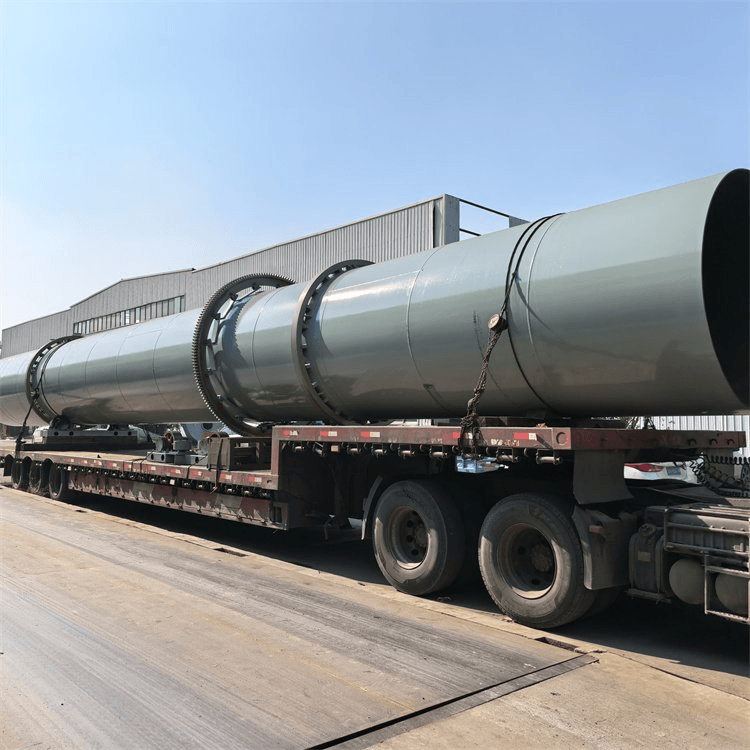
What is a Mineral Dryer?
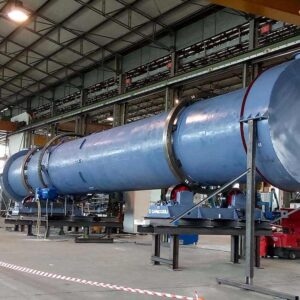
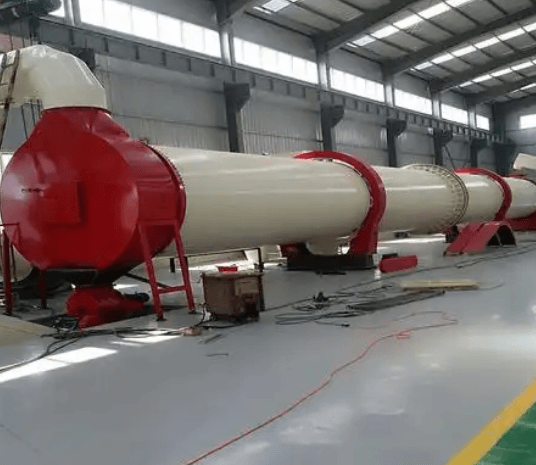
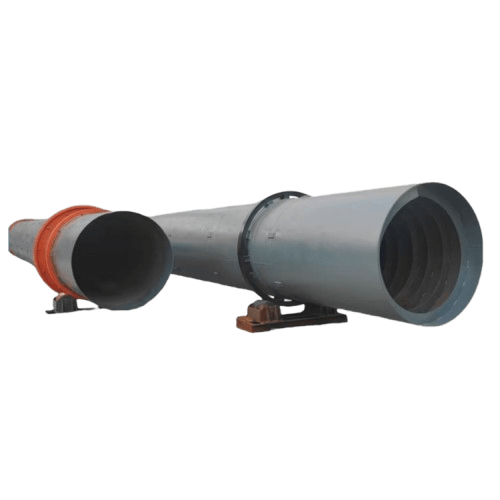
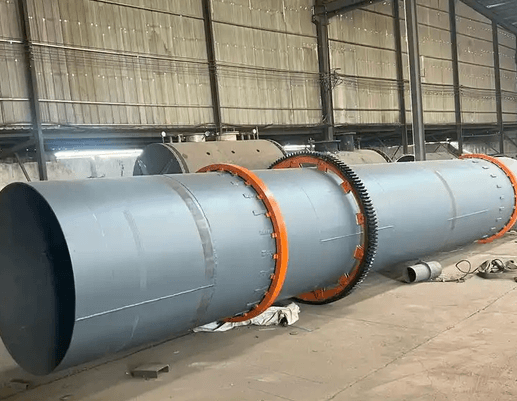
A mineral dryer is a specialized piece of equipment designed to remove moisture from various minerals to make them suitable for further processing or usage in industrial applications. These dryers use different drying methods, such as rotary drum, flash, or fluidized bed drying, to ensure efficient moisture removal. The primary purpose of a mineral dryer is to improve the stability, transportability, and usability of minerals by reducing their moisture content.
What Materials Can a Mineral Dryer Dry?
Mineral dryers are capable of drying a wide range of mineral products. Some of the common materials include:
Iron Ore
Copper Ore
Bauxite
Limestone
Magnesite
Zinc Ore
Gypsum
Clay
Coal
These materials often have varying moisture contents depending on the mineral type and the mining conditions. The dryer ensures optimal moisture removal to enhance the quality and usability of these minerals in various industries.
What is the Moisture Range for Drying?
Mineral dryers can effectively handle a wide moisture range, typically from:
10% to 20% moisture content (for ores like copper, iron, and zinc)
5% to 15% moisture content (for clay and bauxite)
Up to 5% final moisture content after drying
This range ensures that minerals are dried to the right level for further processing, enhancing their overall performance in applications such as metallurgy, construction, and chemical processing.
Applications and Benefits of Dried Minerals
Dried minerals have a wide range of applications:
In Metallurgical Industry: Dried iron, copper, and zinc ores are used in smelting processes to extract metals.
In Construction: Dried gypsum and limestone are used in making cement and plaster.
In Chemical Industry: Minerals like bauxite are used in the production of alumina and aluminum.
In Energy: Dried coal is used in power plants for efficient combustion.
The benefits of drying minerals include:
Improved product quality by reducing impurities and water content.
Enhanced stability and transportability, making it easier to store and transport.
Energy efficiency in subsequent industrial processes, such as smelting and chemical production.
Reduction in energy consumption during the drying process compared to traditional methods.
How Does a Mineral Dryer Work?
Mineral dryers operate using several drying principles, depending on the type of dryer. The most common method is the rotary drum dryer, which works by tumbling the minerals inside a rotating drum while hot air or gas is passed through.
Hot air: This is the primary heat source, circulating around the minerals to remove moisture.
Convection: Heat is transferred to the minerals through hot air, speeding up the evaporation of moisture.
Conduction: In some dryers, heat is transferred directly to the minerals through the drum walls.
The dryer’s rotation ensures that the minerals are evenly dried, preventing clumping and ensuring uniform moisture removal.
Choosing a Mineral Dryer
When choosing a mineral dryer, consider the following factors:
Material Type: Different minerals require different drying methods.
Moisture Content: Choose a dryer that can handle the specific moisture range of your material.
Capacity: Determine the production volume and select a dryer that fits the required capacity.
Heat Source: Consider the energy efficiency and the cost of the heat source (electricity, gas, oil, etc.).
Space and Installation Requirements: Ensure that the dryer fits within the available space and can be easily installed.
We can provide custom-made mineral dryers tailored to your specific requirements. You can select the appropriate model, size, and heat source based on your needs.
RFQ (Request for Quotation) for Mineral Dryer
When requesting a quotation for a mineral dryer, please provide the following information:
| Parameter | Details |
|---|
| Material Type | Iron Ore, Copper Ore, Bauxite, etc. |
| Moisture Content | Initial moisture content and desired final moisture |
| Capacity | Desired drying capacity (tonnes per hour) |
| Heat Source | Electric, Gas, Oil, etc. |
| Size | Available space for installation |
| Power Requirements | Electrical power specifications (voltage, phase) |
| Customization Needs | Any special requirements or features |
You can use this table to easily communicate your requirements, and we will provide a detailed quote and recommendations based on your specific needs.