
granular material dryer
The Best Choices for Your Project
Provide you with granular drying solutions
- Production capacity: 1-20T/H.
- Customizable diameter from 80cm to 3600cm.
- Dryer length: 8 meters to 36 meters.
On this page
Granular Material Dryer machine
What is a Granular Material Dryer?
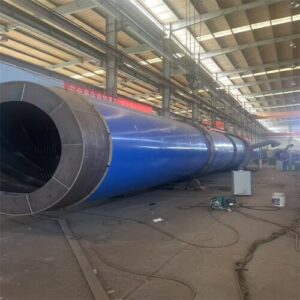
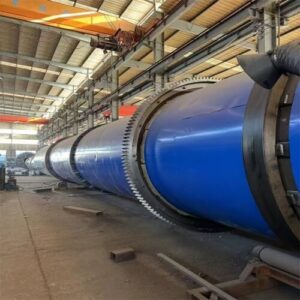
A Granular Material Dryer is a specialized drying equipment designed for drying bulk granular materials like sand, grains, fertilizers, and powders. It uses a rotating drum or a fluidized bed to dry materials evenly by exposing them to a controlled flow of hot air or other heat sources. The drying process reduces the moisture content of granular materials, making them suitable for storage, transportation, or further processing in industries such as agriculture, construction, and manufacturing.
What Types of Granular Materials Can Be Dried Using a Granular Material Dryer?
The Granular Material Dryer can be used to dry a wide variety of granular materials, including:
- Sand: Used in construction, glass manufacturing, and foundries.
- Grains: Including wheat, rice, and corn, which require drying to a specific moisture level for proper storage.
- Fertilizers: Both organic and chemical fertilizers are dried to prevent clumping and ensure even application.
- Powders: Various powders like cement, lime, and food powders are dried to prevent moisture absorption and improve handling.
- Minerals: Used in industries like mining and ceramics.
The dryer is adaptable to a wide range of granular materials, allowing for precise control of moisture content and ensuring optimal quality in the final product.
Moisture Range for Granular Material Drying
The Granular Material Dryer is capable of drying granular materials with moisture content ranging from:
- High Moisture (up to 60%): Ideal for drying freshly harvested grains or newly mined minerals.
- Medium Moisture (20%-50%): Suitable for most common materials like fertilizers, sand, and agricultural products.
- Low Moisture (below 20%): Perfect for powders and fine materials that require precise moisture control.
The dryer’s versatile operation makes it suitable for both high and low moisture content materials, ensuring maximum drying efficiency.
Working Principle of the Granular Material Dryer
The Granular Material Dryer operates on a simple principle: the material to be dried is fed into a rotating drum or a fluidized bed, where it is exposed to a stream of heated air. The rotation or airflow causes the materials to tumble and move, ensuring that the heat is evenly distributed across all particles. As the air passes through the material, moisture evaporates, and the dried particles exit the dryer.
Key steps in the drying process include:
- Feeding: Granular materials are loaded into the drum or fluidized bed.
- Heating: Hot air is introduced to reduce the moisture content.
- Rotation/Airflow: The materials are tumbled or moved by airflow to ensure even drying.
- Exiting: Dry materials are discharged from the dryer for further processing or storage.
Features and Advantages of Our Granular Material Dryer
Our Granular Material Dryer offers the following advantages:
- Energy Efficiency: Equipped with advanced heat exchange systems, our dryers minimize energy consumption while ensuring high drying performance.
- Customizable Design: Adjustable drum speed, temperature, and air flow provide flexibility for different granular materials and drying requirements.
- High Capacity: Suitable for large-scale operations with high throughput capacity, allowing for efficient drying of bulk materials.
- Durability: Made from corrosion-resistant materials and designed for continuous operation, ensuring long service life.
- Low Maintenance: With fewer moving parts and a robust design, maintenance is minimal, reducing downtime and repair costs.
- Precise Moisture Control: The system ensures consistent moisture levels in the final product, which is critical for quality control.
Automation Features of Our Granular Material Dryer
Our Granular Material Dryer is equipped with advanced automation features, including:
- Automatic Moisture Monitoring: Sensors continuously monitor moisture content in real-time, adjusting drying parameters automatically for optimal results.
- Remote Control: Operators can control and monitor the dryer from a distance via an integrated control panel or through mobile apps.
- Data Logging: The dryer stores operational data for quality control, maintenance scheduling, and performance analysis.
- Fault Detection: Automated diagnostic systems identify and alert operators to potential issues, reducing downtime.
These automation features significantly improve efficiency, reduce labor costs, and ensure consistent drying performance.
Granular Material Dryer Models and Parameters
| Model | Capacity (kg/h) | Power (kW) | Drum Diameter (m) | Length (m) | Temperature Range (°C) | Moisture Range (%) | Automation Features |
|---|---|---|---|---|---|---|---|
| GD-1000 | 1000 | 30 | 2.0 | 12 | 100-180 | 10-60 | Full Automation |
| GD-2000 | 2000 | 50 | 2.5 | 15 | 100-200 | 10-60 | Full Automation |
| GD-5000 | 5000 | 80 | 3.0 | 20 | 100-220 | 10-50 | Full Automation |
How to Choose the Right Granular Material Dryer
When choosing a Granular Material Dryer, consider the following factors:
- Material Type: Ensure the dryer is compatible with the type of granular material you need to dry.
- Capacity: Choose a model with the right drying capacity based on your production requirements.
- Moisture Content: Evaluate the moisture range of the material to be dried.
- Energy Efficiency: Look for energy-saving features such as heat recovery systems and low power consumption.
- Automation: Consider whether you need automated monitoring and control for improved efficiency.
Related Pages
Rotary Dryer for Straw
Rotary Dryer for Str
Industrial waste drying equipment
Industrial Waste Dry
Agricultural waste drying machine
Agricultural Waste D
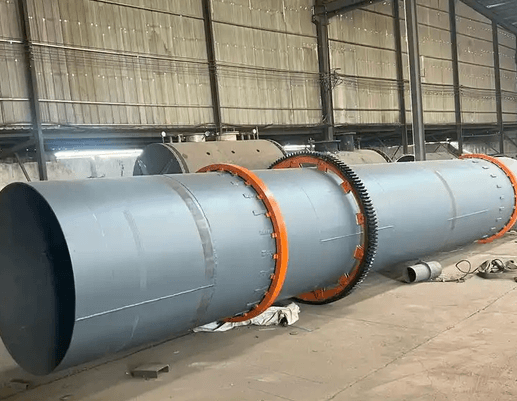
Commercial Grade Drum Dryer
Commercial Grade Dru
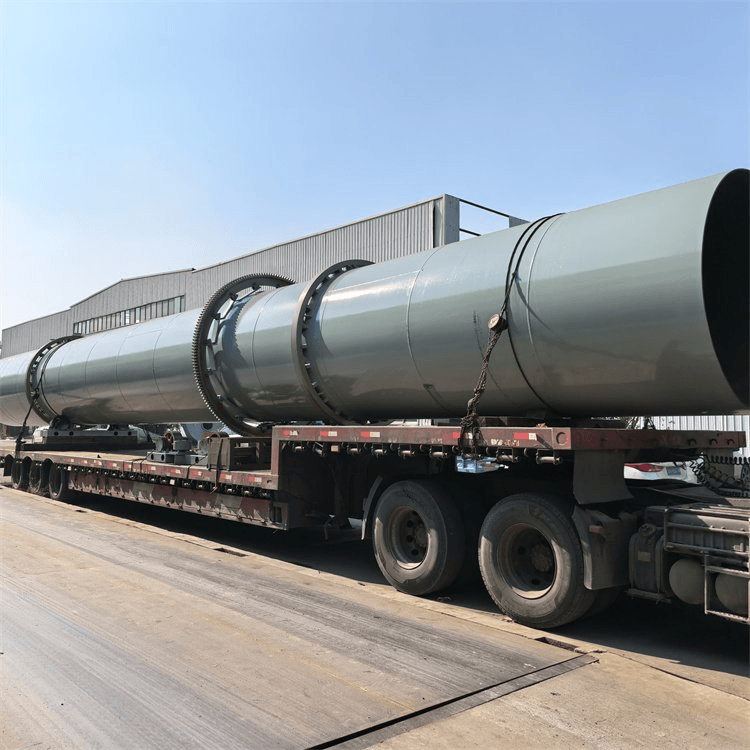
Drum Dryer Supplier
Drum Dryer Supplier
Rotary Dryer for Peanut Shell
Rotary Dryer for Pea