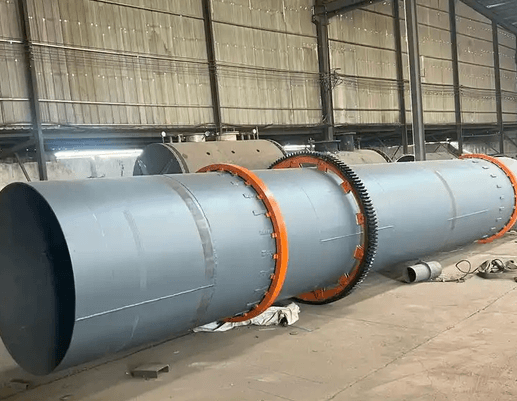
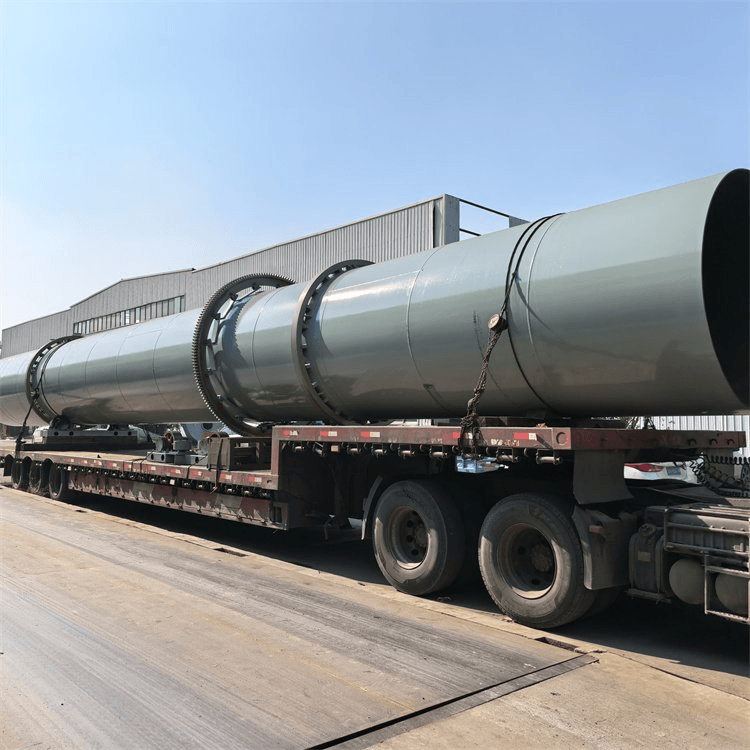
What is a Biomass Rotary Dryer?
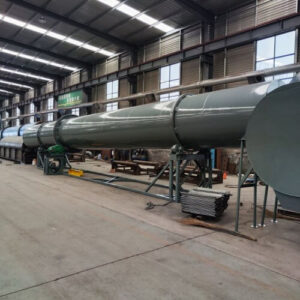
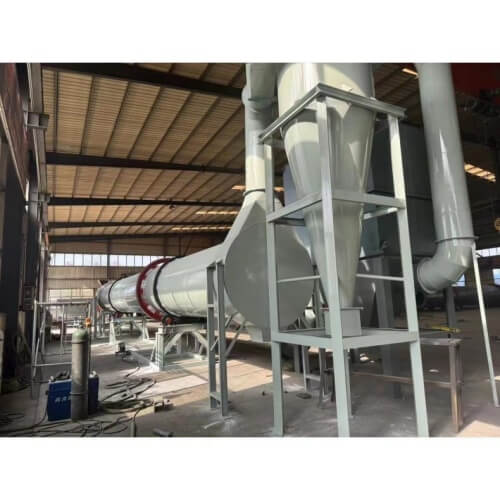
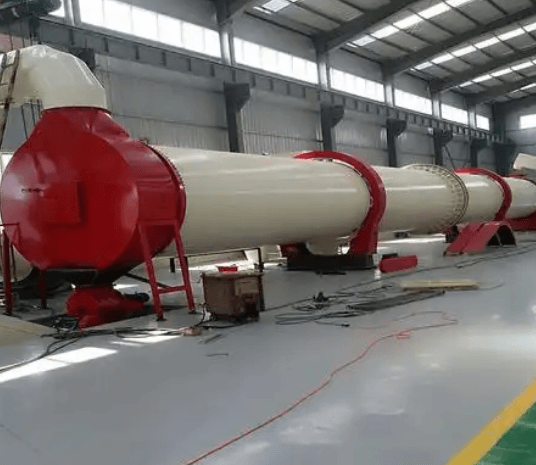
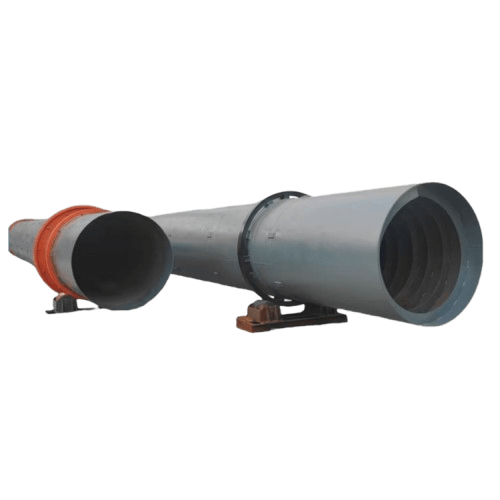
A biomass rotary dryer is a specialized industrial equipment designed to reduce the moisture content of biomass materials, such as wood chips, sawdust, straw, rice husks, and other organic pellets. By using a rotating drum and controlled hot air flow, it ensures uniform drying and improves the quality of the biomass for further processing, such as pellet production or combustion.
Biomass Materials Suitable for Drying
Biomass rotary dryers can process a wide range of materials, including:
Wood chips and sawdust
Straw, corn stalks, and rice husks
Peanut shells and coconut shells
Other agricultural residues and organic waste
This versatility allows industries to efficiently convert raw biomass into high-quality fuel or feedstock.
Moisture Reduction in Biomass Pellets
During the drying process, the moisture content of biomass pellets can drop significantly. Typically:
This reduction not only improves energy efficiency during burning but also prevents microbial growth and improves storage stability.
Design Structure of a Biomass Rotary Dryer
A typical biomass rotary dryer consists of:
Rotating drum: Cylindrical tube that rotates to ensure material movement
Lifting flights: Inside the drum, lift and cascade the biomass for uniform drying
Hot air system: Provides controlled heating via burners or external heat sources
Feeding and discharge system: Uniform feeding of raw materials and smooth discharge of dried biomass
Support rollers and drive: Ensures stable rotation and operation
Working Principle of a Biomass Rotary Dryer
The biomass rotary dryer works by feeding raw biomass into a rotating drum, where it is exposed to hot air. The drum rotation ensures that the biomass cascades through the hot airflow, accelerating moisture evaporation. Depending on design, the dryer can operate in direct or indirect heating modes:
Direct heating: Hot air comes into direct contact with biomass
Indirect heating: Heat is transferred through the drum wall, avoiding contact with combustion gases
Advantages and Features
High drying efficiency and uniform moisture reduction
Adaptable to various biomass types
Low maintenance and robust design
Can be customized for production scale and material properties
Energy-saving with optimized airflow and heat utilization
Heat Source Options
Biomass rotary dryers can use multiple heat sources depending on availability and cost:
Models and Parameters
| Model | Drum Diameter (m) | Drum Length (m) | Capacity (t/h) | Power (kW) | Application |
|---|
| BRD-1 | 1.2 | 8 | 1-2 | 15 | Small-scale biomass |
| BRD-2 | 1.8 | 12 | 3-5 | 30 | Medium-scale biomass |
| BRD-3 | 2.4 | 18 | 6-10 | 55 | Industrial biomass |
How Customers Can Choose
When selecting a biomass rotary dryer, customers should consider:
Type of biomass material and initial moisture content
Desired drying capacity and final moisture
Heat source availability
Space and installation requirements
Budget and energy efficiency goals
Customization Support
We provide custom design services to match specific production needs, including:
Adjusting drum size and length
Optimizing flight design for different biomass types
Integrating heat recovery systems
Custom control systems for precise moisture control
Request for Quotation (RFQ)
To get an accurate quote, customers should provide:
Type and quantity of biomass
Initial and target moisture content
Daily production capacity
Preferred heat source
Special requirements (e.g., footprint, automation)